 PAY IN 3
 FREE DELIVERY OVER £50 +VAT*
 NEXT DAY DELIVERY BEFORE 7.30PM*
Glass Skin: What Your Clients Are Really Asking For
23rd Sep 2026
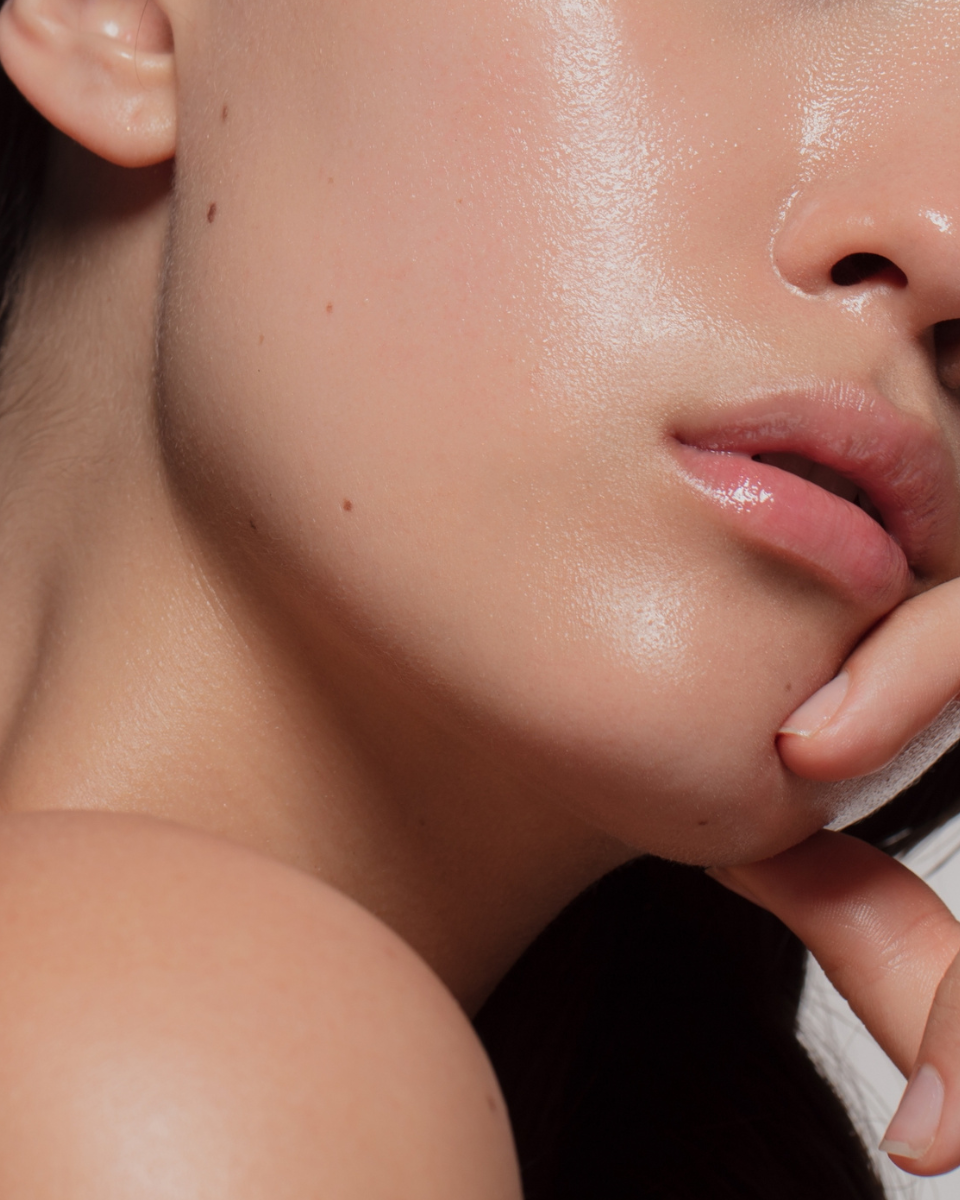
It lands in your DMs at least once a week. A screenshot, a TikTok, a saved reel. A client holding up their phone asking: can you give me this?
Glass skin. The trend that refuses to go away, and for good reason. Luminous, smooth, almost reflective. The kind of skin that looks like it has nothing on it, because it doesn't need anything on it.
The problem isn't the aspiration. The problem is that most of what the internet sells as "glass skin" is a product claim, a filter, or a treatment name. Our job is to translate it into something we can actually deliver.
What glass skin actually is
The term originated in Korean beauty culture, where it described skin so hydrated and even it reflected light. The multi-step routines associated with K-beauty weren't about magic ingredients. They were about consistently doing the foundational things: cleansing without stripping, hydrating at every opportunity, protecting from UV exposure daily.
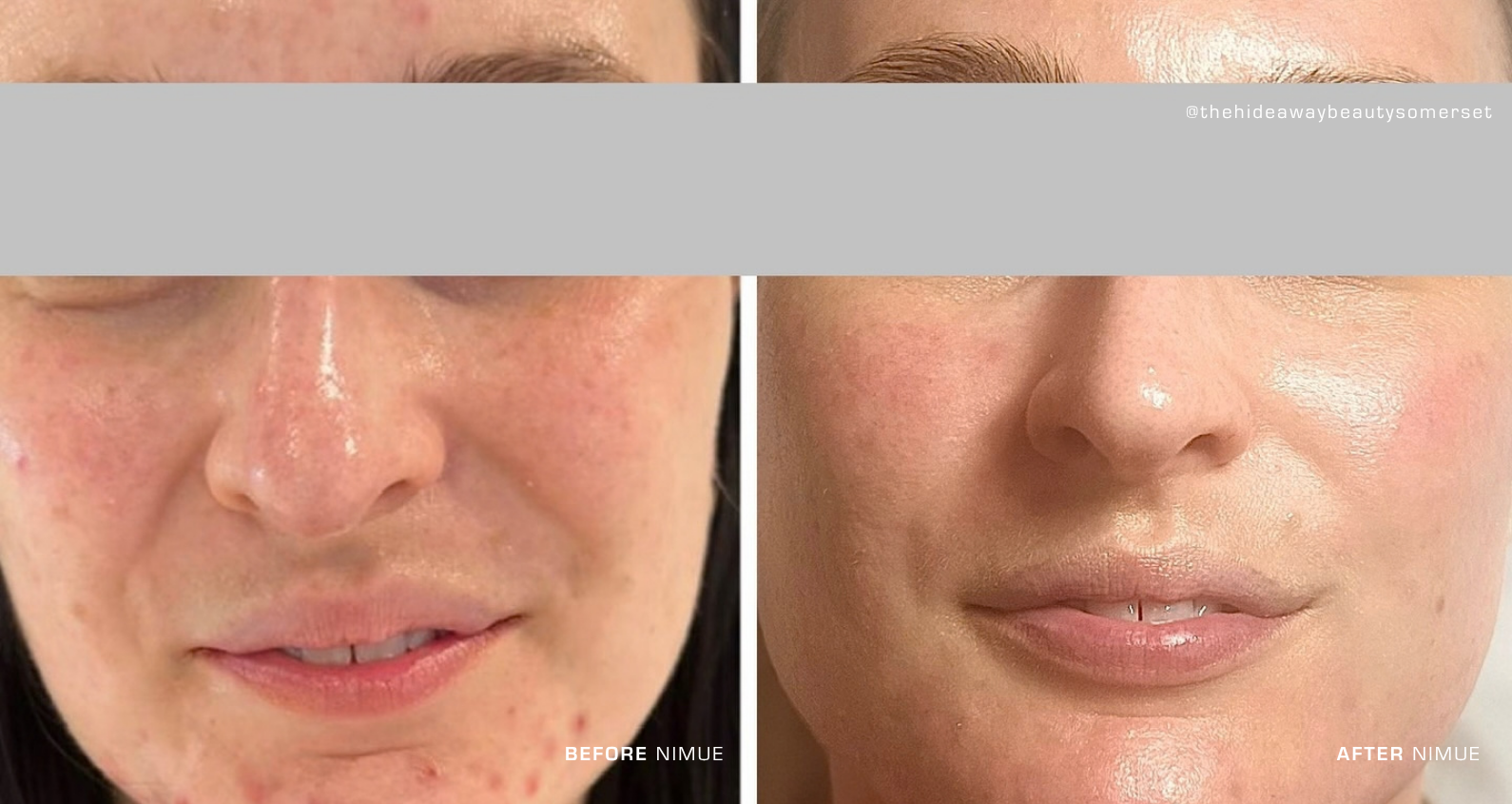
Strip it back and glass skin describes one thing: well-functioning skin. Intact barrier, consistent hydration, smooth even surface, no underlying inflammation or congestion. It isn't a product or a treatment. It's an outcome, and that distinction changes everything about how we talk about it with clients.
What creates the glass skin effect, clinically
An intact skin barrier. The stratum corneum, the outermost layer of the skin, regulates moisture loss and protects against environmental aggressors. When it's compromised, skin looks dull, feels reactive, and loses the plump, even texture that gives glass skin its name. Every other step in a routine works better when the barrier is functioning correctly.
Consistent, gentle exfoliation. Dead skin cells sitting on the surface scatter light rather than reflecting it. That's what creates a dull, flat complexion. Regular exfoliation, enzymatic rather than abrasive, which irritates and compromises the barrier, clears the surface and allows newer, smoother skin to reflect light evenly.
Optimal hydration levels. Glass skin looks plump because it is plump! Specifically, because the skin's ability to retain water is working as it should. This isn't about applying more moisturiser. It's about supporting the skin's own hydration mechanisms rather than bypassing them with heavy, occlusive formulas that create a feedback cycle of dependency.
Daily SPF, without exception. Photo-ageing accounts for the majority of texture irregularity, uneven pigmentation, and loss of elasticity that makes skin look anything but glass-like. Clients who don't use SPF daily are undoing every other step.
The consultation opportunity
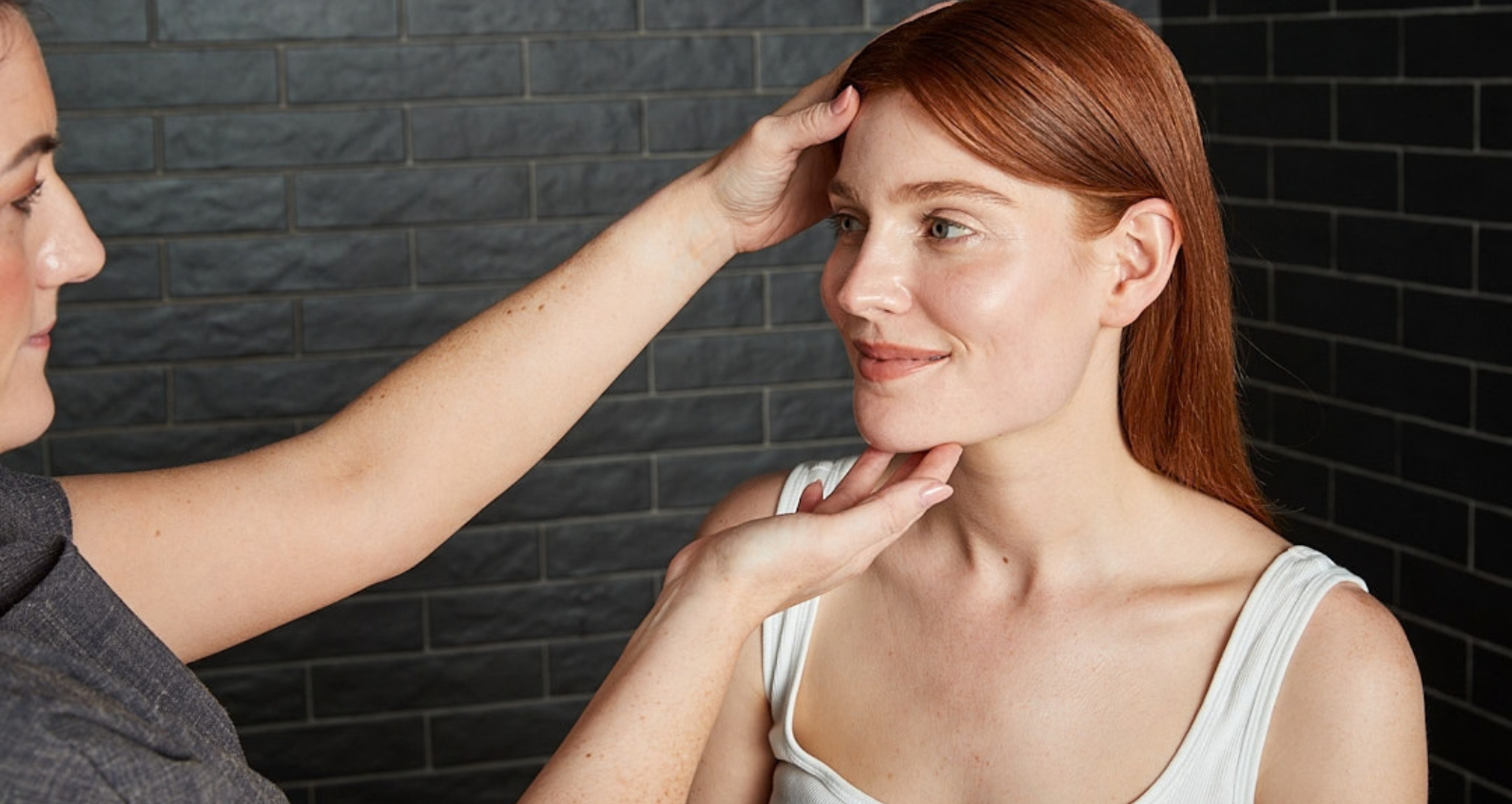
When a client shows you a glass skin TikTok, they're handing you an opening to reframe the whole conversation.
"What you're responding to is healthy skin. A strong barrier, consistent hydration, good cell turnover, daily protection. That's not a treatment, it's a system."
That conversation builds trust, sets realistic expectations, and creates the foundation for a regime that actually delivers.
Where Nimue fits
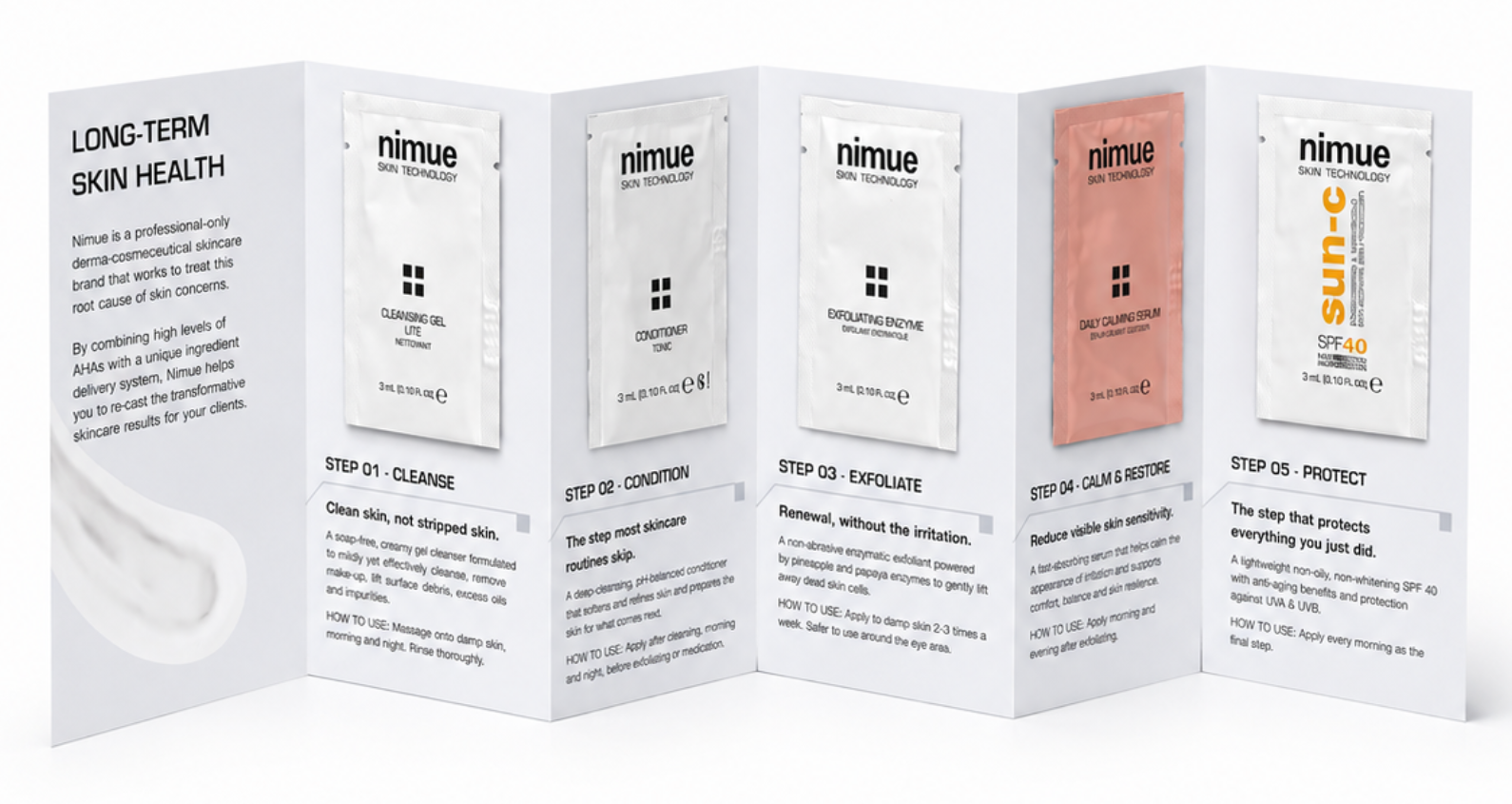
The five steps that create the clinical conditions for glass skin, cleansing, conditioning, enzymatic exfoliation, barrier repair, and daily SPF, are exactly the foundations of a Nimue routine, personalised to your skin specifically.
Glass skin is what healthy, well-treated skin looks like. Treating skin health is what Nimue does.
Use code TRYNIMUE to claim your FREE Nimue sample sachet booklet, just cover postage!